
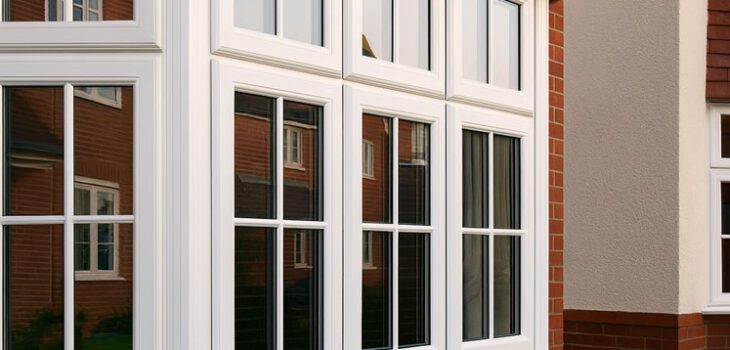
Bay and bow windows are a brilliant way to add light, space and character to your home. A bay projects out from the wall in an angled shape (commonly three or five sections), while a bow creates a gentle curved appearance using four or more frames. Both options open up the view, increase natural daylight and can improve ventilation, kerb appeal and property value.
Our network of trusted installers supply and fit bay and bow windows in uPVC, aluminium and timber. You can match the rest of your home with classic white frames, contemporary colours such as anthracite grey, or realistic woodgrain finishes. Glazing choices include standard clear glass, acoustic or laminated options for noise reduction, and decorative glazing with Georgian bars to mirror traditional styles.
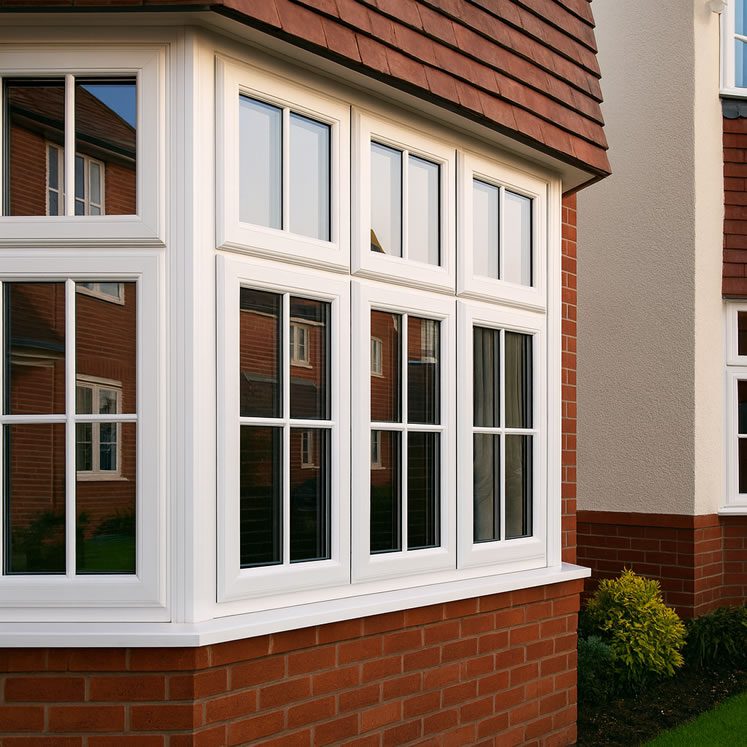
Why choose bay or bow windows?
- More natural light and wider views than a standard flat window
- Extra usable space for a window seat, storage or a feature display
- Excellent ventilation with multiple opening sashes
- Energy-efficient double glazing and warm-edge spacers to reduce heat loss
- Strong visual impact that can enhance resale appeal
Styles and design options
- Frame materials: uPVC for value and low maintenance; aluminium for slim, modern sightlines; timber for period homes
- Opening styles: side-hung casements, top-hung vents or fixed panes for the centre lights
- Detailing: cills, internal window seats, insulated canopies or bay roofs, leaded or Georgian bars
- Colours and finishes: classic white, greys and blacks, creams, and woodgrain foils such as oak or rosewood
(If you also offer other types, this is an easy place to reference uPVC casement windows, sash windows, tilt and turn windows, aluminium windows and timber windows. You can also point visitors towards Doors, Conservatories and Roofline pages for a full home upgrade.)
Price guide (typical UK ranges)
Exact costs depend on sizes, materials, glazing and whether you’re converting a flat window into a new bay or bow. As a rough guide:
- uPVC three-section bay window replacement: £1,200 – £2,500
- uPVC five-section bay window replacement: £1,800 – £3,000
- uPVC bow window conversion from a flat opening (including new canopy/roof and supports): £2,000 – £3,500
- Aluminium versions: typically 30–50% more than uPVC
- Timber versions: typically 40–70% more than uPVC
Allow for extras such as structural bay poles or reinforcement, new lintels, internal finishing, trickle vents, acoustic or laminated glass, and scaffolding where required. Always compare written quotations and specifications like U-values, hardware, and guarantees.
Installation and compliance
A professional survey is essential to confirm structural support, angles and loading. Reputable companies are usually registered with FENSA or Certass, and many also hold TrustMark. This gives you building regulations compliance and certification for resale purposes, along with manufacturer and installer warranties.
Get free bay and bow window quotes
If you want to bring more light into a lounge, create a feature in a dining room or refresh the look of a period property, request free, no-obligation quotes from trusted local installers. Compare window prices, specifications and styles to find the best fit for your home.
Bay & Bow Windows – FAQs
What’s the difference between a bay and a bow window?
A bay projects in distinct angles (often three or five sections), while a bow forms a smooth curve using four or more frames. Bays tend to add slightly more internal floor space; bows offer a softer, rounded look.
Can I convert my existing flat window into a bay or bow?
In many cases yes, subject to structure. Installers may fit reinforced frames, bay poles and a new canopy or roof. A survey will confirm feasibility and any additional support required.
Do I need planning permission?
Replacing like-for-like usually falls under permitted development. New projections or changes to the façade can need permission, particularly in conservation areas or listed buildings. Your installer or local authority can advise.
Are bay and bow windows energy efficient?
Modern double glazing with warm-edge spacers and insulated frames can achieve excellent U-values. Ask for A-rated or better glass and confirm the overall window U-value on your quote.
How long does installation take?
A straightforward replacement bay can often be installed in a day. Conversions, larger frames and internal finishing may take longer, especially if structural work or scaffolding is needed.
What angles and layouts are available?
Common bay angles are 30° or 45°, while bows use more panels to create a curve. Your installer will recommend the best configuration for your opening and elevation.
Can I have a window seat or storage built in?
Yes. Many customers add a window seat with insulation beneath. Discuss finishes, boards and trims during the survey so it’s included in the quotation.
What maintenance is required?
uPVC needs only occasional cleaning. Aluminium requires minimal upkeep. Timber benefits from periodic painting or staining but offers an authentic period look.