
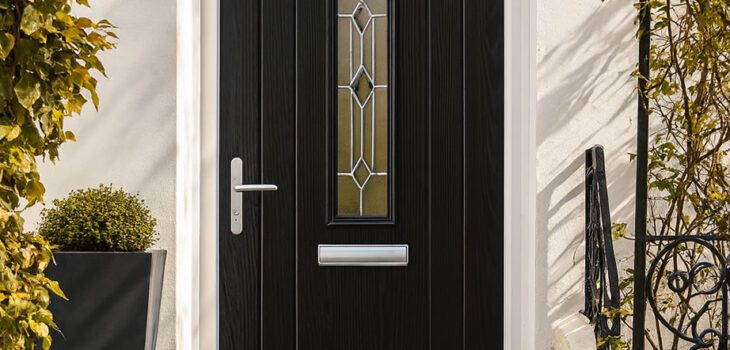
Composite front doors are built for strength, security and style. Using a combination of materials—typically a rigid outer skin over an insulated core with reinforced frames—they deliver superb durability and weather resistance without the upkeep of timber. If you want a front door that looks great, keeps heat in and stands up to daily use, a composite is a smart upgrade.
Our network of trusted UK installers supplies and fits composite doors in a wide choice of colours, designs and glazing options. You can match your property with classic wood-effect finishes, contemporary greys and blacks, or bold statement colours. Hardware, thresholds and decorative glass can be tailored to suit everything from cottages to modern townhouses.
(Here you can point visitors to other door styles such as uPVC doors, French doors, patio sliding doors and bi-fold doors. You can also reference the main Doors page, plus related upgrades across Windows, Conservatories and Roofline.)
Why choose a composite front door?
- High security – multi-point locking, robust slabs and reinforced frames
- Energy efficient – insulated cores and quality seals to reduce heat loss
- Low maintenance – no regular painting; just wash down as needed
- Weatherproof – resistant to warping, swelling and fading
- Design flexibility – traditional, contemporary and cottage styles with extensive colour choices
- Long-lasting – designed for decades of reliable use with strong warranties
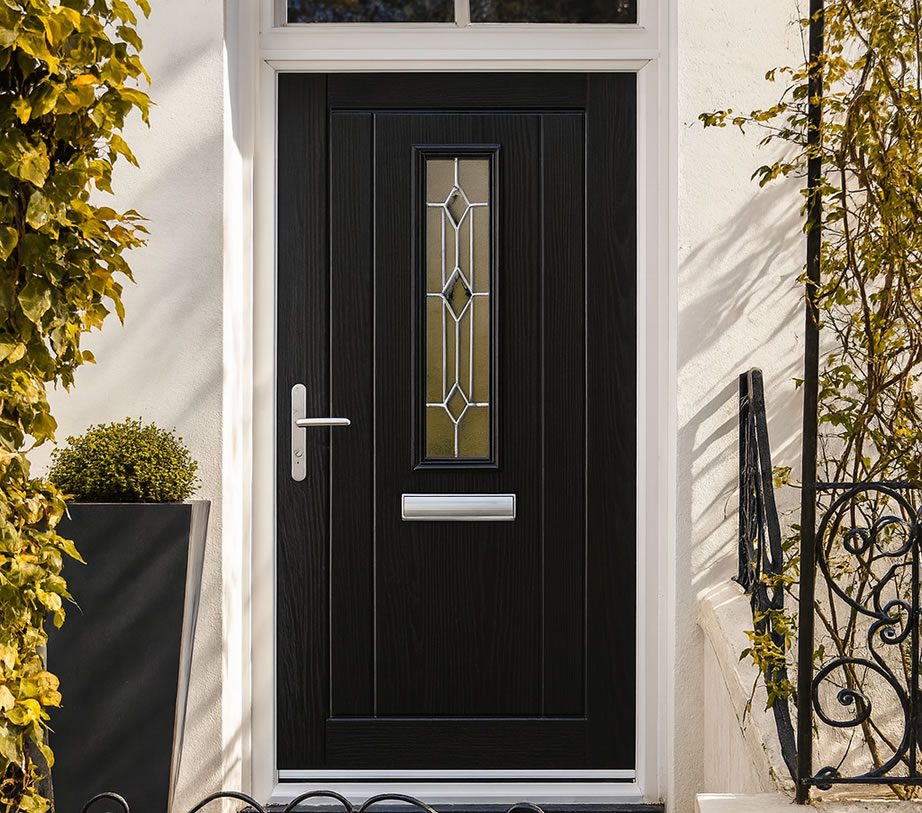
Design and specification options
- Door slabs: foam (PU) or engineered timber cores, in 44–70 mm thicknesses
- Finishes: realistic woodgrains (oak, mahogany, rosewood), solid colours (anthracite, black, white, heritage shades), dual-colour inside/out
- Glazing: clear, frosted, decorative, triple-glazed cassettes, integral blinds
- Frames: uPVC or aluminium-clad; standard or low thresholds for accessibility
- Hardware: lever handles, heritage knockers, letterplates, spyholes; chrome, stainless, brass or black finishes
- Security upgrades: PAS 24 / Secured by Design options, 3-star cylinders, laminated glass
- Add-ons: side panels, top lights, house numbers and bespoke glazing designs
Security and energy performance
Modern composites combine a rigid outer skin with an insulated core and advanced weather seals. Ask for whole-door U-values (lower is better), multi-point locks, anti-snap cylinders and laminated glazing around the lock area. For maximum reassurance, look for doors tested to recognised security standards and fitted by competent, scheme-registered installers.
Price guide (typical UK supply & fit)
Final costs vary with size, colour, glazing and hardware, but these ranges are a helpful starting point:
- Standard composite front door (plain, single colour): £1,000 – £1,500
- Decorative/heritage style with glazed cassette: £1,300 – £1,900
- Premium timber-core composite: £1,600 – £2,300
- Door with one side panel: £1,900 – £3,000
- Door with two side panels or large top light: £2,400 – £3,800+
Likely extras: dual-colour finish, upgraded security cylinders, laminated or decorative glass, low threshold, smart lock, removal and disposal of the old door, making good, and scaffolding where access is tricky.
Installation and compliance
Reputable companies are typically registered with FENSA or Certass, and many are TrustMark endorsed. Replacement doors should comply with current Building Regulations for energy performance and safety. You should receive certification after installation along with product and workmanship warranties.
Get free composite door quotes
Ready to refresh your entrance with a secure, energy-efficient composite front door? Compare free, no-obligation quotes from trusted local installers. Review styles, colours, glazing and security options to find the perfect match for your home and budget.
Composite Front Doors – FAQs
Are composite doors better than uPVC?
Composites are generally thicker and more rigid, offering a sturdier feel, broader design choices and excellent insulation. uPVC can be more cost-effective for tight budgets.
Foam core or timber core—what’s the difference?
Foam-core doors are light, well-insulated and good value. Timber-core doors feel heavier and more “solid”, which some homeowners prefer. Both can perform very well when properly specified.
Will the colour fade?
Modern finishes are designed to resist fading and weathering. Occasional cleaning with mild soapy water is usually all that’s needed.
What U-value should I expect?
Many composite doors achieve overall U-values in the region of 1.0–1.4 W/m²K, depending on glazing size and specification.
Can I have side panels or a top light?
Yes. Fixed glazed panels can bring additional daylight into the hallway. They add to the price but create a striking entrance.
How secure are composite doors?
With multi-point locks, 3-star cylinders and laminated glass around vulnerable areas, composites are highly secure. Look for doors tested to recognised security standards.
How long does installation take?
A straightforward replacement is often completed in half a day including removal, fitting and finishing.
Do I need planning permission?
Like-for-like replacements rarely need permission. Properties in conservation areas or listed buildings may have additional requirements—your installer can advise.
What maintenance is required?
Clean occasionally, check seals and hinges annually, and lightly oil moving parts. No painting is required.