
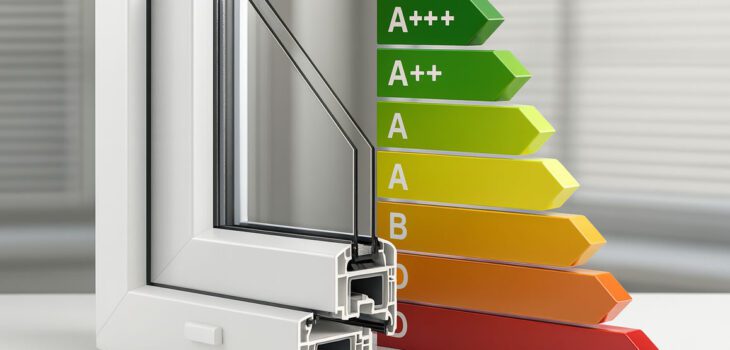
Energy efficient windows are designed to keep more warmth in your home, reduce draughts and help lower energy bills. Using A-rated double glazing (or higher) with modern insulated frames, they improve year-round comfort and can reduce condensation. If you’re replacing older single glazing or early double glazing, the difference in performance is often immediate.
Our network of trusted UK installers supplies and fits a full range of energy efficient options in uPVC, aluminium and timber. You can match the rest of your property with classic white, contemporary greys or realistic woodgrain finishes, and choose glazing to suit busy roads, sunny elevations or conservation requirements.
What makes a window “energy efficient”?
- Low-E glass that reflects heat back into the room
- Argon (or similar) gas fill between panes to slow heat transfer
- Warm-edge spacers that reduce cold bridging around the glass edge
- Insulated frames: multi-chamber uPVC, thermally broken aluminium, or engineered timber
- High-quality seals and fittings to minimise air leakage
- Correct ventilation (e.g., trickle vents where required) to manage moisture
(Here you can reference other pages such as uPVC casement windows, sash windows, tilt & turn windows, bay & bow windows, aluminium windows and timber windows, plus your Windows overview. You can also signpost related upgrades like Doors, Conservatories and Roofline.)
Double vs triple glazing
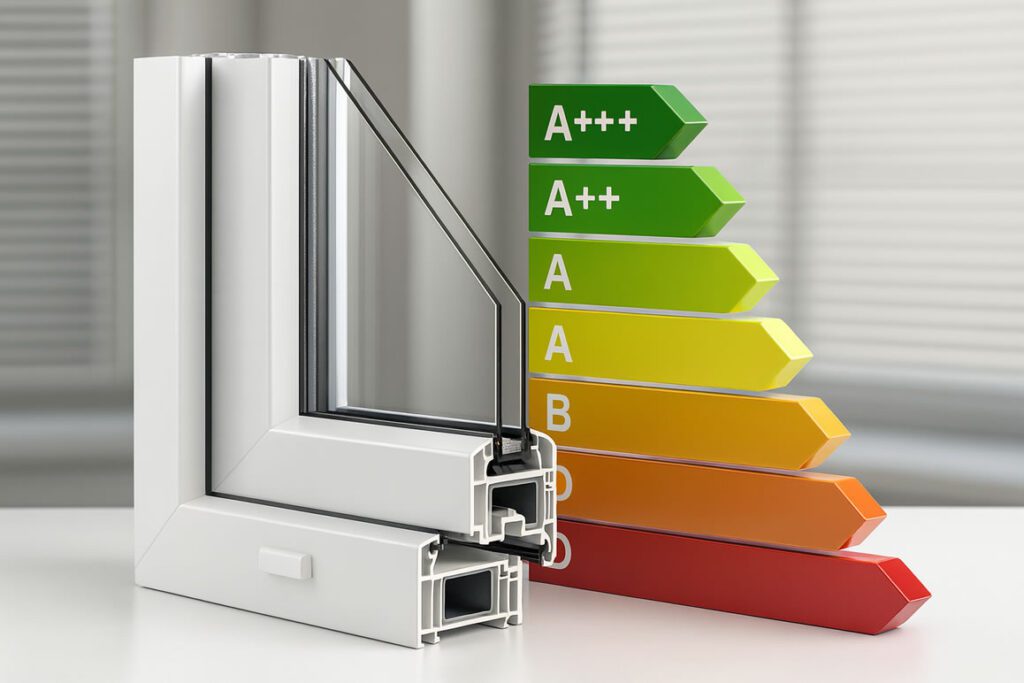
A-rated double glazing is the best value choice for most UK homes, offering an excellent balance of insulation, weight and cost. Triple glazing can further reduce heat loss and improve noise control, particularly on exposed or very busy sites, but adds cost and weight. A good installer will advise which is appropriate for each elevation.
Typical UK price guide
Actual prices depend on sizes, frame material, colour/finish and glazing spec, but as a rough guide for supply and fit:
- A-rated uPVC casement window (standard size): £450 – £750
- A-rated aluminium casement window: £700 – £1,100
- A-rated timber casement window: £900 – £1,400
- Upgrade from basic spec to A-rated (better glass, warm-edge spacer, gas fill): typically +£60 – £150 per window
- Triple glazing uplift: usually +15% – +25% over A-rated double glazing
- Whole 3-bed semi in A-rated uPVC (mix of sizes): £5,500 – £8,000+
Allow for extras like laminated or acoustic glass, dual-colour frames, integral blinds, cill replacement, internal making-good and scaffolding on upper floors.
Compliance and quality
Reputable installers work to current UK Building Regulations for energy performance and ventilation and provide certification on completion (commonly via FENSA or Certass). Many products carry independent energy labels and manufacturer warranties; ask for whole-window U-values (not just centre-pane) and details of guarantees on frames, glass and hardware.
Get free quotes for A-rated windows
Whether you’re upgrading a few frames or planning a full home replacement, compare free, no-obligation quotes from trusted local specialists. Review specifications, U-values, warranties and lead times to find the right balance of performance and price.
Energy Efficient Windows – FAQs
What does “A-rated” actually mean?
It refers to a high energy performance grade on an industry scale that considers both insulation and air leakage. In practice, A-rated windows keep more heat in and can help reduce bills.
What U-value should I look for?
Lower is better. Many modern A-rated double glazed windows achieve overall window U-values around 1.2–1.4 W/m²K, with triple glazing often lower.
Will energy efficient windows stop condensation?
They reduce the likelihood of condensation on the inside pane by keeping the inner surface warmer. Adequate ventilation is still important, especially in kitchens and bathrooms.
Is triple glazing worth it in the UK?
It can be—particularly on exposed elevations or near busy roads—but it’s not essential for every property. Many homeowners choose A-rated double glazing on most elevations and reserve triple glazing for problem areas.
Do aluminium frames get cold?
Modern aluminium uses a thermal break between inner and outer sections, greatly improving insulation. With good glass, performance is comparable to other materials.
How long do energy efficient windows last?
Quality uPVC and aluminium systems typically offer long warranties on frames and sealed units, with expected lifespans measured in decades. Factory-finished timber can last even longer with routine maintenance.
Can I mix window types around the house?
Yes. Many homes combine uPVC at the rear for value, aluminium at the front for a slimline look, or timber on period façades. Just ensure each unit meets the desired energy specification.
Do I need trickle vents?
Ventilation requirements depend on the property and current regulations. Your installer will advise whether background ventilation is required as part of compliance.
How quickly can they be installed?
Straightforward replacements are often fitted in 1–2 hours per window. Larger bays, colour-bonded frames or triple glazing may extend lead times and fitting durations.