
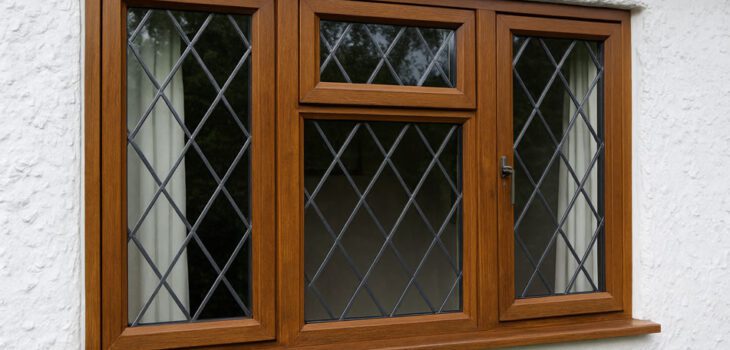
Timber windows bring natural warmth, character and authenticity to any home. Modern manufacturing has transformed performance: engineered wood sections resist warping, double or triple glazing improves insulation, and factory-applied microporous coatings provide long-lasting protection. If you’re renovating a period property, working in a conservation area, or simply prefer real wood, timber windows offer a premium finish with excellent longevity.
Our network of trusted UK installers supplies and fits bespoke timber windows in softwood and hardwood, with options to match original mouldings and glazing bars. You can coordinate with other products around the home such as uPVC casement windows for value, aluminium windows for slim sightlines, or complementary doors, conservatories and roofline upgrades.
Why choose timber windows?
- Natural, timeless aesthetics that suit heritage and high-end contemporary homes
- Conservation-friendly: ideal where authentic materials are required
- Excellent thermal performance with A-rated glazing and warm-edge spacers
- Repairable and upgradable over time (splicing, re-glazing, draught-proofing)
- Sustainable material when sourced from FSC or PEFC certified forests
- Long service life when factory finished and properly maintained
Styles and design options
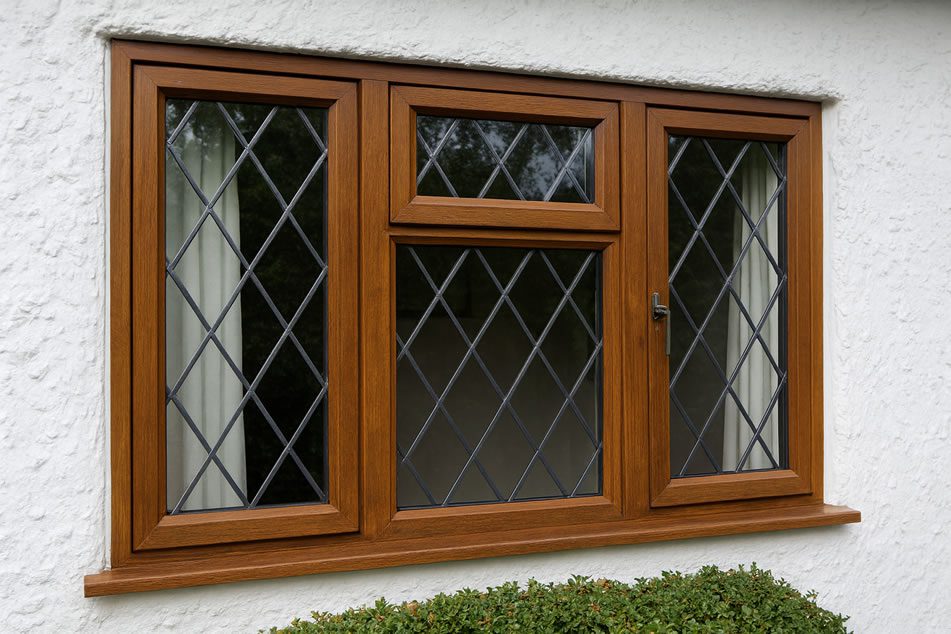
- Casement windows – available as flush or stormproof profiles
- Sash windows (vertical sliding) – traditional cords and weights or spring-balanced systems
- Tilt and turn – inward opening for secure ventilation and easy cleaning
- Bay & bow – create space and increase natural light
- Shapes and specials – arched heads, gothic styles, cottage bars, slim “heritage” double glazing
Materials:
- Softwood (e.g., engineered Scandinavian pine) – excellent value, takes paint well
- Hardwood (e.g., oak, sapele, meranti) – dense, durable, premium look
Finishes:
Factory-applied microporous paint (often 2-4 coats), semi-transparent stains, dual-colour inside/out, traditional putty lines or modern bead systems. Hardware in brass, chrome, black or heritage finishes. Glazing options include laminated security, acoustic, solar-control, and ultra-slim heritage units for sensitive properties.
(At this point you can signpost related pages such as sash windows, uPVC casement windows, aluminium windows, tilt and turn windows, bay & bow windows, as well as Doors, Conservatories and Roofline.)
Price guide (typical UK ranges)
Final costs depend on sizes, timber species, glazing specification and finishing. As a rough guide for supply and fit:
- Softwood casement window (standard size): £700 – £1,100
- Hardwood casement window (standard size): £900 – £1,400
- Timber sash window, softwood: £900 – £1,600
- Timber sash window, hardwood: £1,200 – £2,000
- Timber bay or bow window: £3,500 – £7,000+
- Whole 3-bed semi (mix of sizes): £12,000 – £20,000+
Extras that can move the price: ultra-slim heritage double glazing, bespoke shapes or arches, dual-colour coatings, laminated or acoustic glass, trickle vents, cill replacements, extensive internal making-good, and scaffolding on upper floors.
Installation, compliance and sustainability
Reputable installers are typically registered with FENSA or Certass and many are TrustMark endorsed. Expect compliance with current Building Regulations (thermal performance, ventilation and safety glass where needed). Ask about timber provenance (FSC/PEFC certification), coating warranties (often 8–10 years on paint; 3–5 on stains) and overall product guarantees.
Get free timber window quotes
If you’re refurbishing a period home or aiming for a premium natural finish, compare free, no-obligation quotes from trusted local specialists. Review specifications, finishes and warranties to find the ideal solution for your property and budget.
Timber Windows – FAQs
Are timber windows energy efficient?
Yes. With engineered frames and quality double glazing, overall window U-values of around 1.2–1.4 W/m²K are common. Triple glazing can reduce this further.
How long do they last?
Well-made, factory-finished timber windows routinely last 30–60 years or more, provided the coatings are maintained and any minor damage is addressed promptly.
What maintenance is required?
Routine washing and periodic inspection of seals and paint. Expect to recoat paint every 7–10 years (exposure dependent) and stains every 3–5 years.
Softwood or hardwood — which should I choose?
Softwood offers excellent value and takes paint beautifully. Hardwood is denser and more impact-resistant, with a richer natural grain if you prefer a stained finish.
Can timber windows be repaired instead of replaced?
Often, yes. Typical repairs include splicing in new sections, re-cording sash weights, upgrading draught-proofing and re-glazing with modern sealed units.
Do I need planning permission?
Like-for-like replacements usually fall under permitted development. Conservation areas and listed buildings may require consent or specific glazing types. A surveyor or installer can advise.
What are typical lead times?
Because units are bespoke, allow 6–12 weeks from survey to installation, longer during peak seasons or for complex designs.
Can I match original period details?
Yes. Installers can replicate astragal bars, horn details, putty lines and mouldings to mirror existing features while meeting modern performance standards.